
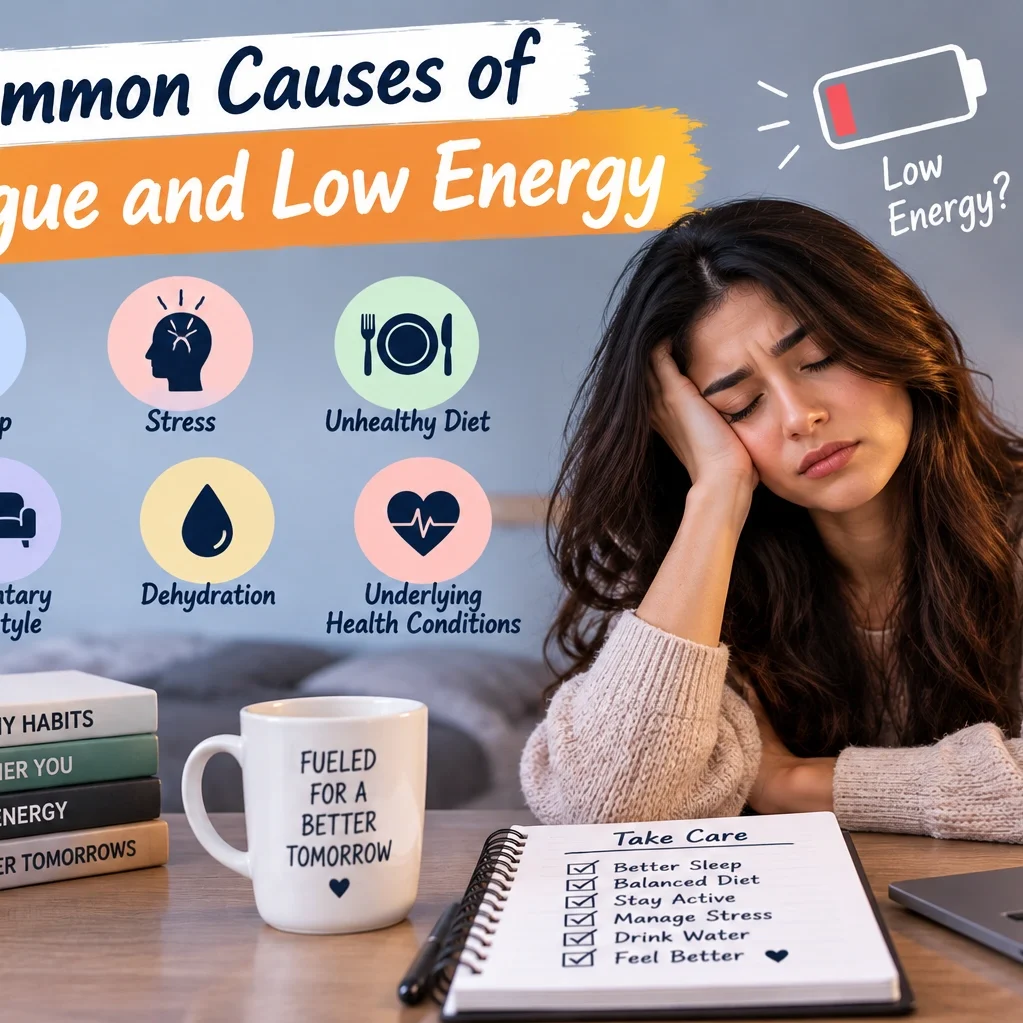
Feeling tired after a busy day is normal, but persistent fatigue and low energy can affect concentration, productivity, mood, and everyday activities. Fatigue is more than simply feeling sleepy. It can involve a lack of physical or mental energy, difficulty staying focused, or a general feeling of exhaustion that does not improve enough with ordinary rest.
There are many possible reasons for low energy. Some are related to lifestyle habits, while others can be associated with medical conditions, medications, emotional well-being, or poor sleep. Understanding common causes can help people identify areas that may need attention.
Lack of Quality Sleep
Poor sleep is one of the most common reasons people feel tired during the day. Getting too few hours of sleep can leave the body without enough time to recover.
However, sleep quality matters as well as sleep duration. Frequent nighttime waking, an irregular sleep schedule, excessive screen use before bed, uncomfortable sleeping conditions, and certain sleep disorders can interfere with restorative sleep.
Maintaining a consistent bedtime and wake-up schedule, creating a comfortable sleeping environment, and reducing stimulating activities before bedtime may support better sleep.
Poor Eating Habits
Food provides the energy and nutrients needed for normal body functions. Skipping meals, following an unbalanced diet, or regularly relying on highly processed foods can contribute to feelings of sluggishness.
Meals that contain a combination of complex carbohydrates, protein, healthy fats, fruits, and vegetables can provide a more balanced source of nutrition.
Long gaps between meals may also leave some people feeling weak or unfocused. Eating regular, nutritious meals can help support steady energy throughout the day.
Dehydration
Even mild dehydration can contribute to tiredness and difficulty concentrating. The body depends on adequate fluid levels for many essential processes.
People may be more likely to become dehydrated during hot weather, exercise, illness, or periods when they simply forget to drink enough fluids.
Drinking water regularly throughout the day can help maintain normal hydration. Individual fluid needs vary depending on factors such as activity level, climate, diet, and health.
Too Little Physical Activity
It may seem surprising, but being physically inactive can contribute to low energy. Regular movement supports cardiovascular fitness, muscle strength, and overall physical function.
Long periods of sitting can also make people feel sluggish. Simple activities such as walking, stretching, cycling, or other forms of moderate exercise can help increase daily movement.
Inactive people should generally increase activity gradually rather than suddenly starting an intense exercise routine.
Too Much Physical Activity
The opposite can also happen. Exercising intensely without sufficient recovery can leave the body exhausted.
Heavy training combined with inadequate rest, insufficient food, or poor sleep can contribute to persistent tiredness and reduced performance.
Rest days and adequate nutrition are important components of a balanced exercise routine.
Stress and Emotional Strain
Mental and emotional stress can consume significant energy. Work pressure, financial concerns, relationship difficulties, family responsibilities, and other ongoing challenges can make it difficult to relax.
Long-term stress may also interfere with sleep and daily habits, creating a cycle in which poor sleep contributes to fatigue and fatigue makes stress harder to manage.
Relaxation techniques, regular physical activity, social support, hobbies, and healthy routines may help people manage everyday stress.
Anemia and Nutritional Deficiencies
Certain nutritional deficiencies can contribute to fatigue. Iron-deficiency anemia, for example, can reduce the body’s ability to transport oxygen effectively and may cause tiredness, weakness, or reduced exercise tolerance.
Deficiencies involving other nutrients may also affect energy and general well-being.
People with persistent fatigue should avoid assuming that they have a specific deficiency and taking supplements without guidance. A healthcare professional can determine whether testing is appropriate.
Thyroid Problems
The thyroid gland plays an important role in regulating metabolism. An underactive thyroid, known as hypothyroidism, can be associated with fatigue, feeling unusually cold, weight changes, dry skin, and other symptoms.
Because these symptoms can overlap with many other conditions, fatigue alone cannot establish a thyroid problem. Medical evaluation and appropriate testing may be necessary when symptoms persist.
Certain Medications
Some medications can cause tiredness or drowsiness as a side effect. Medicines used for allergies, pain, blood pressure, anxiety, sleep, and other conditions may affect alertness in some people.
If fatigue begins after starting a medication or changing its dose, speak with a healthcare professional rather than stopping the medicine independently. A doctor or pharmacist can explain possible side effects and discuss appropriate options.
Sleep Disorders
Sometimes people spend enough time in bed but still wake up feeling exhausted. Sleep disorders can interfere with the quality of rest.
For example, sleep apnea can repeatedly interrupt normal breathing during sleep and may result in daytime sleepiness and fatigue. Loud snoring, witnessed pauses in breathing, morning headaches, or persistent daytime drowsiness can be reasons to discuss sleep quality with a healthcare professional.
Ongoing Health Conditions
Persistent fatigue can sometimes occur alongside medical conditions such as infections, diabetes, heart problems, kidney disease, liver disease, or other health issues.
This does not mean that tiredness automatically indicates a serious illness. Fatigue has many possible explanations. However, unexplained or persistent changes in energy levels deserve attention, particularly when accompanied by other symptoms.
When to Seek Medical Advice
Occasional tiredness is usually not a cause for concern. However, consider speaking with a healthcare professional if fatigue persists, significantly affects daily life, keeps getting worse, or occurs with symptoms such as unexplained weight changes, persistent pain, shortness of breath, fainting, unusual bleeding, fever, or significant changes in mood.
Urgent medical attention may be necessary when severe fatigue occurs with serious symptoms such as chest pain, severe breathing difficulty, fainting, or sudden neurological changes.
Final Thoughts
Fatigue and low energy can have many causes, ranging from inadequate sleep and dehydration to stress, nutritional deficiencies, medication effects, sleep disorders, and underlying health conditions.
Improving sleep habits, eating balanced meals, staying hydrated, moving regularly, and managing stress can support healthier energy levels. If tiredness continues despite healthy lifestyle changes, professional medical advice can help identify the underlying cause.
Rather than simply pushing through persistent exhaustion, paying attention to changes in energy can be an important part of maintaining overall well-being.